Featured
Table of Contents
Modernizing Digital Stability in 2026
The digital environment in 2026 has actually moved away from the "growth at all costs" mindset that defined the previous decade. As artificial intelligence ends up being the primary engine for both web development and cyber dangers, the method behind constructing online platforms has undergone a fundamental modification. Organizations are approaching a security-first posture, where defense is baked into the initial lines of code instead of being treated as a final layer. This transition appears in significant tech centers like Denver, Chicago, and NYC, where digital companies are redefining how infrastructure is developed to stand up to significantly autonomous attacks.
Steve Morris, a regular commentator on the intersection of AI and digital technique, has actually noted that the speed of AI-driven exploits now requires a protective method that is similarly fast. The emergence of automated search optimization, often referred to as AEO or GEO, has included a brand-new layer of intricacy. If a brand's data is jeopardized or spoofed, the AI designs that users rely on for information will propagate those errors quickly. Maintaining the stability of information at its source is now the most crucial component of any digital presence. When companies buy System Architecture, they are efficiently protecting the foundation of their presence across the whole web.
Information Sovereignty and Security Protocols for Enterprise Website Development That Scales
Constructing a site in 2026 needs more than aesthetic appeal. The present standard includes zero-trust architecture, where every request is verified regardless of its origin. This is particularly pertinent for companies operating in Detroit within MI, where data personal privacy guidelines have ended up being more strict. Developers are focusing on server-side security measures that separate delicate processes from the client-side interface. By keeping vital reasoning far from the web browser, business can mitigate the threat of cross-site scripting and other injection attacks that utilized to be typical.
The shift towards headless architectures has actually likewise altered the security profile of modern-day websites. By decoupling the front-end discussion from the back-end database, developers can produce smaller sized attack surface areas. This method permits more customized security setups for each element. Lots of companies find that Professional System Architecture Planning uses a way to manage these complex environments without sacrificing the efficiency users anticipate. The RankOS platform is frequently pointed out as a tool that helps bridge the gap in between high presence and secure information management, making sure that AI search engines receive confirmed, untampered details.
The Function of Regional Advancement in MI
Local markets have actually seen an increase in need for localized security services. Whether in Atlanta, Nashville, or Dallas, organizations are looking for developers who comprehend the specific hazard vectors inherent to their markets. For example, an ecommerce platform in Miami deals with different fraud threats than a B2B service in LA. Professional development teams are now integrating biometric authentication and passkey technology as basic features to replace outdated password systems. These functions are no longer optional however are anticipated as part of any Enterprise Website Development That Scales intended for a 2026 audience.
Security is not simply a technical requirement however likewise a branding one. Customers in 2026 are highly knowledgeable about information breaches and fast to abandon platforms that feel insecure. This has actually forced a convergence between user experience style and cybersecurity. The objective is to develop a friction-free environment that is likewise extremely challenging to penetrate. This balance is attained through edge computing, where security checks are carried out at the network's perimeter, closer to the user, reducing latency while keeping a high level of analysis on all incoming traffic.
Addressing Risks in Various Territories and Global Markets
The global nature of the web indicates that a site integrated in a specific city must be prepared for hazards from anywhere in the world. Designers are increasingly utilizing AI to combat AI, deploying maker learning designs that keep an eye on traffic patterns in real-time to identify and obstruct harmful bots. This proactive defense is a staple for those looking for System Architecture for Scalable Growth to protect their digital properties. These systems can compare a genuine AI crawler from an online search engine and a scraper attempting to collect exclusive information.
The increase of post-quantum cryptography is beginning to influence how web developers approach encryption. While quantum computing is still evolving, the procedures being developed in 2026 are designed to be "quantum-resistant." This forward-thinking technique guarantees that data secured today stays secure for many years to come. It is this level of insight that differentiates high-tier digital agencies from those that simply follow existing trends. Steve Morris has often highlighted that the organizations that survive long-lasting are those that anticipate the obsolescence of existing requirements.
Strategic Integration of Enterprise Website Development That Scales
As we look deeper into the 2026 tech stack, using WebAssembly (Wasm) is ending up being more common. Wasm allows designers to run high-performance code in the browser within a safe and secure, sandboxed environment. This technology is being utilized to handle complex tasks like real-time video processing or large-scale information visualization without exposing the underlying system to vulnerabilities. It represents a significant advance in the quest to supply desktop-quality experiences through a web browser while keeping a high security bar.
In cities like Chicago and Dallas, where the monetary and healthcare sectors have a large existence, the combination of these innovations is typically a regulative need. These industries require a level of data dealing with that goes far beyond the fundamentals. By adopting a security-first method, developers can guarantee that these sites are compliant with federal and state laws from the very start. This saves time and resources that would otherwise be invested in costly retrofitting and security audits after the website has actually launched.
The Future of AI-Search Exposure and Security
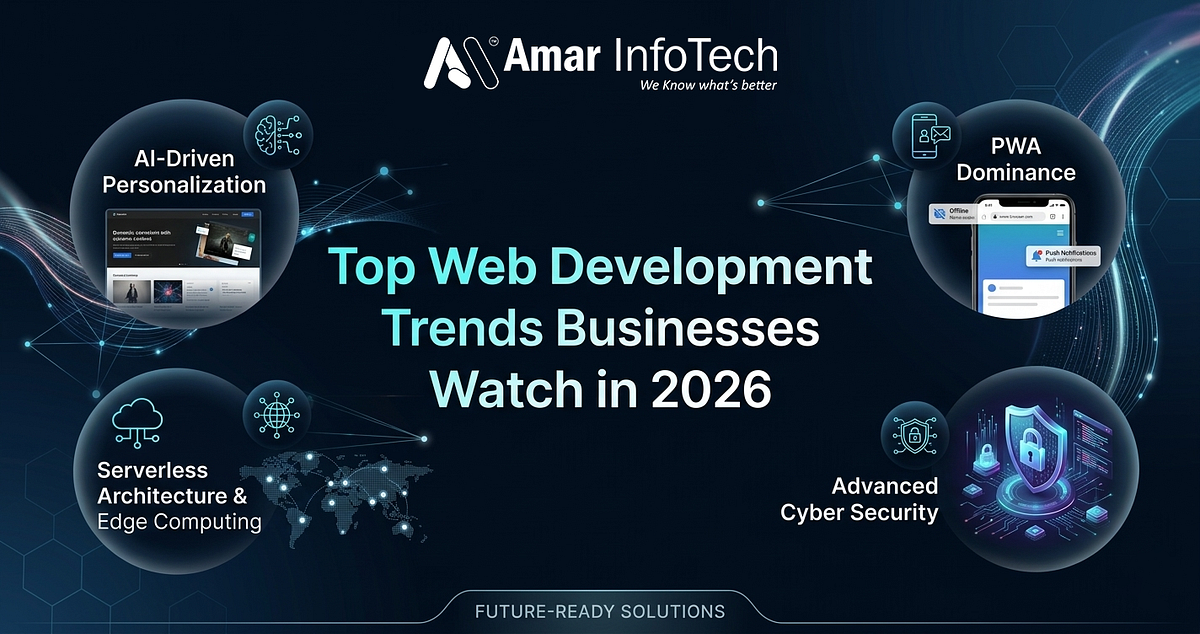
The relationship between SEO and security has actually never been closer. Search engines, and the AI designs that power them, now focus on websites that demonstrate high levels of authority and security. A website that is regularly compromised or lacks modern file encryption will see its rankings suffer, as AI representatives will consider it an unreliable source of info. Platforms like RankOS have actually ended up being important for keeping an eye on how a brand name is perceived by these AI entities. By guaranteeing that every technical aspect of a website is safe and secure, businesses can secure their presence and maintain a competitive edge in an increasingly automated market.
This holistic view of web development is the brand-new standard. It is no longer enough to have a website that looks good and ranks well. It should likewise be a fortress for user data. The 2026 digital landscape is one of continuous advancement, however the concept of security-first development remains constant. As technologies continue to advance, the focus will stay on structure resistant, future-proof facilities that can adapt to brand-new difficulties as they emerge. For companies across Detroit, the financial investment in protected development is the most direct course to long-term digital success.

Eventually, the objective of a cybersecurity-first method is to develop trust. In a period where deepfakes and automated misinformation are rampant, a secure and verified web presence is a company's most valuable property. By leveraging the current in AI-driven defense and decentralized architecture, designers are creating a web that is not just more effective but also significantly safer for users everywhere. This commitment to stability will continue to specify the very best practices for web advancement throughout 2026 and beyond.

Latest Posts
Protecting the Mobile Frontier for Insurance Web Design That Gets Results
The Hidden Benefits of Headless Tech for Local Organization
Reinventing the Mobile Web Without the App Shop